
Revolutionary Powertrains Redefining E-Mobility
The electric bicycle landscape of 2025 showcases unprecedented technological leaps in propulsion systems. Mid-drive motors have evolved beyond conventional torque sensors, now incorporating AI-assisted power modulation that anticipates terrain changes through predictive algorithms. These sophisticated powertrains deliver seamless cadence matching while optimizing energy expenditure across varying topographical conditions.
Hub motors have simultaneously undergone remarkable refinement. Direct-drive configurations now feature regenerative braking capabilities that recapture kinetic energy during deceleration phases. This innovation extends operational range while reducing brake pad wear—a dual benefit that resonates strongly with performance-conscious riders seeking maximum efficiency from their investment.
Advanced Motor Technologies
Brushless DC motors dominate the 2025 market with peak torque outputs exceeding 160 Nm in premium configurations. These powerhouses incorporate rare-earth magnets and precision-wound copper coils that minimize electromagnetic losses. Heat dissipation systems now utilize liquid cooling circuits in high-performance variants, enabling sustained power delivery during extended climbing sequences or aggressive off-road excursions.
Motor integration has reached new heights of sophistication. Manufacturers embed torque sensors directly within crankset assemblies, creating instantaneous response characteristics that mirror natural pedaling dynamics. This seamless power augmentation eliminates the mechanical lag previously associated with entry-level electric drivetrains.
Intelligent Power Management Systems
Contemporary e-bikes feature multi-core processors that continuously analyze rider input, battery status, and environmental conditions. These systems automatically adjust assistance levels to optimize range while maintaining desired performance thresholds. Smart algorithms learn individual riding patterns, creating personalized power profiles that enhance both efficiency and rider satisfaction.
"The future of electric mobility lies not just in raw power, but in the intelligent application of that power to create riding experiences that feel natural yet superhuman." - Leading e-bike engineer
Next-Generation Battery Architectures
Lithium-ion technology has reached new pinnacles of energy density and thermal stability in 2025 electric bicycles. Samsung SDI and LG Chem have introduced 21700 cell configurations that pack 850+ watt-hours into sleek, integrated frame designs. These high-capacity powerplants maintain optimal performance across temperature ranges from -10°C to 55°C, ensuring reliable operation in diverse climatic conditions.
Battery management systems now incorporate individual cell monitoring with active balancing circuits. This granular oversight prevents capacity degradation while extending overall pack longevity beyond 1,500 charge cycles. Fast-charging protocols support 80% capacity replenishment in under 90 minutes using specialized high-amperage chargers.
Revolutionary Cell Chemistry
Silicon nanowire anodes represent the cutting edge of 2025 battery technology. These microscopic structures increase energy storage capacity by 40% compared to traditional graphite electrodes while maintaining structural integrity through thousands of charge-discharge cycles. Solid-state electrolytes eliminate thermal runaway risks, creating inherently safer energy storage solutions.
Lithium iron phosphate variants continue gaining traction among safety-conscious consumers. LFP chemistry offers exceptional thermal stability and cycle life, though with slightly reduced energy density. These batteries excel in applications where longevity supersedes maximum range requirements.
Comprehensive Electric Bike Solutions
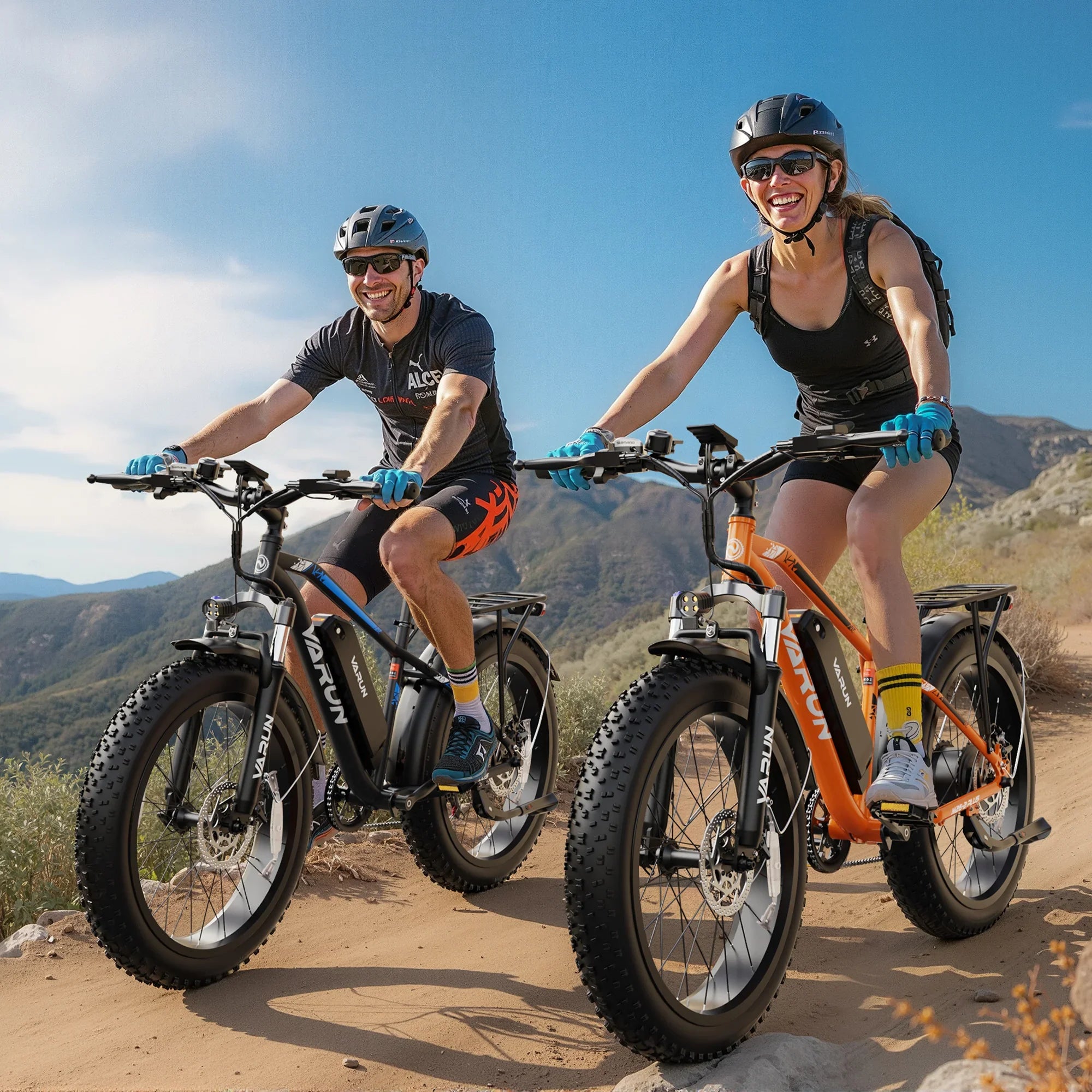
Modern riders demand versatile electric bicycles that excel across multiple applications—from daily commuting through congested urban corridors to weekend adventures on challenging off-road trails. Varun Electric Bike-US addresses these diverse requirements through a carefully curated collection of performance-oriented e-bikes designed for American riders.
This comprehensive range encompasses folding models optimized for multimodal transportation, robust off-road machines capable of tackling technical terrain, and purpose-built commuter bikes that prioritize comfort and efficiency. Each model features high-power motors delivering exceptional torque output, extended-range battery systems, and UL safety certification ensuring reliable operation under demanding conditions.
The collection emphasizes rider-centric engineering backed by comprehensive warranty coverage and flexible trial periods. This approach allows potential buyers to evaluate performance characteristics in real-world conditions before committing to ownership—a crucial consideration when investing in premium electric mobility solutions.
Cutting-Edge Frame Materials and Construction
Carbon fiber monocoque construction has become increasingly prevalent in premium 2025 electric bicycle designs. These aerospace-grade composites offer exceptional strength-to-weight ratios while enabling complex geometries that optimize aerodynamics and battery integration. Advanced resin systems resist impact damage while maintaining structural integrity under extreme loading conditions.
Aluminum alloy frames continue evolving through hydroforming and heat treatment processes. 6061-T6 aluminum provides excellent fatigue resistance and corrosion protection, making it ideal for riders who demand durability without excessive weight penalties. Modular construction techniques facilitate component serviceability and potential upgrades.
Innovative Frame Integration
Battery integration reaches new levels of sophistication through internal cable routing and proprietary mounting systems. Manufacturers design custom frame cavities that cradle battery packs while maintaining optimal weight distribution. These integrated solutions enhance aesthetic appeal while protecting expensive electrical components from environmental exposure.
Suspension integration has similarly advanced, with many models featuring internally routed shock mountings and progressive leverage ratios tuned specifically for electric bicycle dynamics. The additional unsprung weight requires careful suspension tuning to maintain optimal handling characteristics across varying load conditions.
Revolutionary Drivetrain Innovations
Electronic shifting systems have gained widespread adoption across premium electric bicycles in 2025. These precision-engineered transmissions eliminate cable stretch and adjustment issues while providing instantaneous gear changes under full power. Wireless communication protocols connect derailleur systems with motor controllers, enabling synchronized power reduction during shift sequences.
Belt drive systems represent another significant advancement, offering maintenance-free operation and silent power transmission. Carbon fiber reinforced belts resist stretching while polymer cog materials reduce wear and noise generation. These systems excel in urban environments where minimal maintenance requirements prove essential.
Advanced Gear Ratios
Wide-range cassettes now span gear ratios exceeding 500%, providing appropriate mechanical advantage for steep climbs while enabling efficient high-speed cruising. Micro-spline freehub technologies accommodate these expansive gear ranges while maintaining compatibility with electronic shifting systems.
| Drivetrain Type | Gear Range | Maintenance Interval | Noise Level |
|---|---|---|---|
| Electronic Derailleur | 520% | 1000 miles | Moderate |
| Belt Drive IGH | 380% | 3000 miles | Silent |
| Traditional Chain | 450% | 500 miles | Moderate |
Smart Connectivity and Digital Integration
Smartphone connectivity has evolved beyond basic ride tracking to encompass comprehensive bike management through dedicated mobile applications. These sophisticated platforms monitor component health, schedule maintenance intervals, and provide real-time diagnostics for electrical systems. GPS integration enables theft recovery services while geofencing capabilities send alerts when bikes move outside designated areas.
Cloud-based analytics aggregate riding data to identify patterns and suggest optimization strategies. Machine learning algorithms analyze individual preferences to recommend optimal assistance levels and route planning based on historical performance data.
Advanced Navigation Systems
Integrated display units now feature full-color touchscreens with turn-by-turn navigation capabilities. These weatherproof interfaces connect wirelessly to smartphone apps while providing essential ride information including speed, range estimation, and power output metrics. Voice command integration enables hands-free operation for enhanced safety during navigation.
Security and Anti-Theft Features
Embedded GPS tracking systems provide continuous location monitoring with cellular connectivity for real-time theft alerts. Immobilization features can remotely disable motor assistance, rendering stolen bikes significantly less appealing to potential thieves. Biometric unlocking systems utilize fingerprint recognition or smartphone proximity sensors for keyless security.
Frequently Asked Questions About 2025 Electric Bikes
What charging infrastructure supports new electric bikes?
Public charging networks have expanded significantly, with many urban areas featuring dedicated e-bike charging stations in business districts and recreational areas. Portable charging solutions also enable remote battery replenishment using solar panels or automotive power outlets during extended touring activities.
How do weather conditions affect electric bike performance?
Modern electric bicycles incorporate weatherproofing rated to IPX5 or higher standards, ensuring reliable operation in rain and snow conditions. Cold weather reduces battery capacity by approximately 20-30%, while hot climates may trigger thermal protection systems that temporarily limit power output to prevent component damage.
What maintenance procedures ensure optimal longevity?
Regular maintenance focuses on drivetrain cleaning, brake adjustment, and electrical connection inspection. Battery care involves avoiding complete discharge cycles and storing batteries at 50-70% charge levels during extended periods of non-use. Professional servicing every 1,000 miles ensures optimal performance and safety compliance.
- Monthly tire pressure checks and tread inspection
- Quarterly brake pad assessment and cable adjustment
- Bi-annual comprehensive electrical system diagnostics
- Annual battery capacity testing and calibration
Future Outlook and Market Trends
The electric bicycle industry continues its rapid evolution toward greater efficiency, intelligence, and user-centric design philosophy. Emerging technologies including wireless power transmission and artificial intelligence promise to further revolutionize the riding experience while addressing environmental sustainability concerns through reduced carbon footprints.
Manufacturing scalability improvements drive cost reductions across all performance categories, making premium features accessible to broader market segments. This democratization of advanced technology ensures that high-quality electric bicycles become viable transportation alternatives for diverse demographic groups seeking efficient, enjoyable mobility solutions.
Regulatory frameworks continue adapting to accommodate higher-performance electric bicycles while maintaining safety standards and infrastructure compatibility. These evolving guidelines create opportunities for innovation while ensuring responsible integration with existing transportation networks.
Share:
Folding Ebike Vs Folded Ebike The Ultimate City Ebike Guide
Winter Electric Bike Maintenance: Keep Your E-Bike Running