

Winter-Ready Electric Bikes for Snow
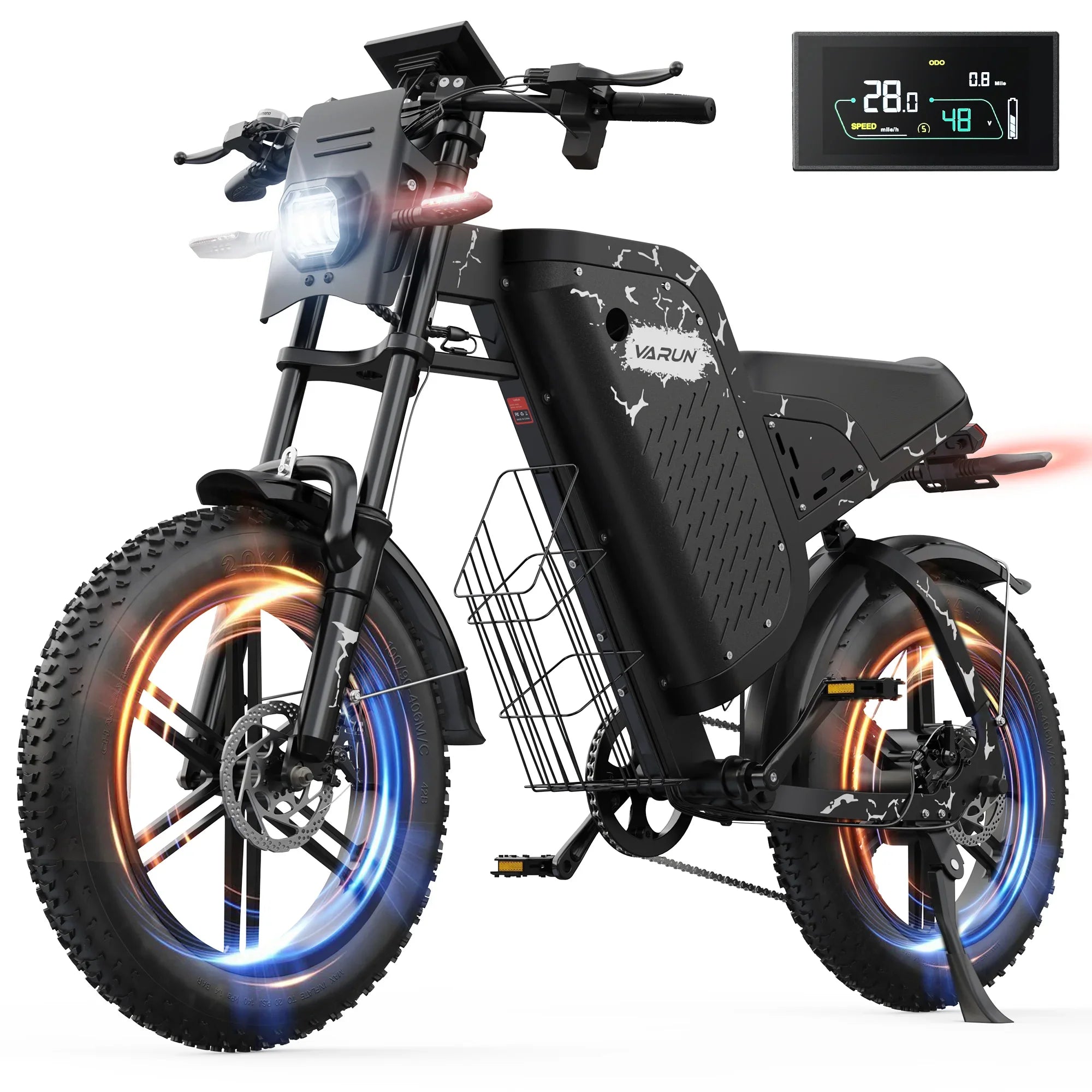
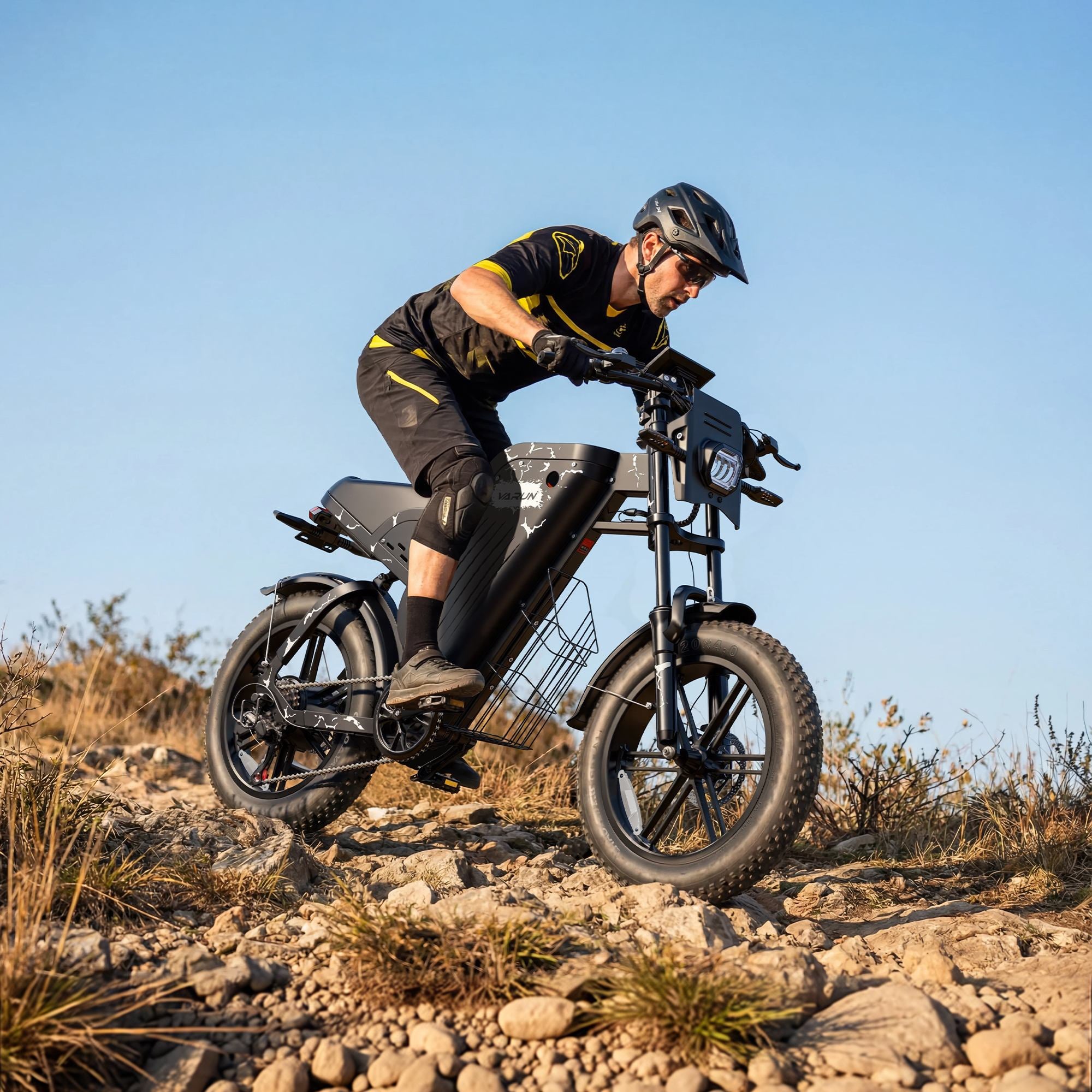
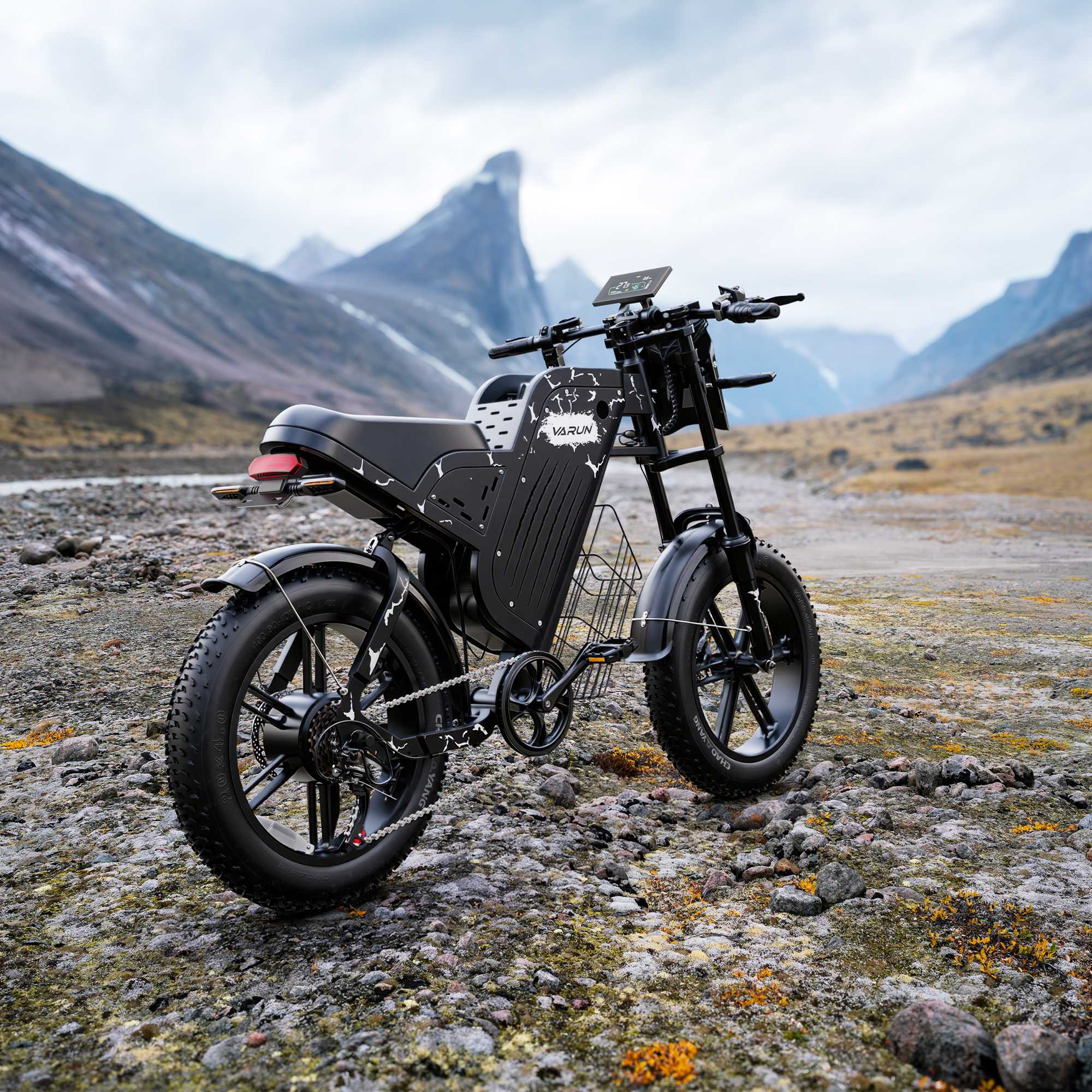
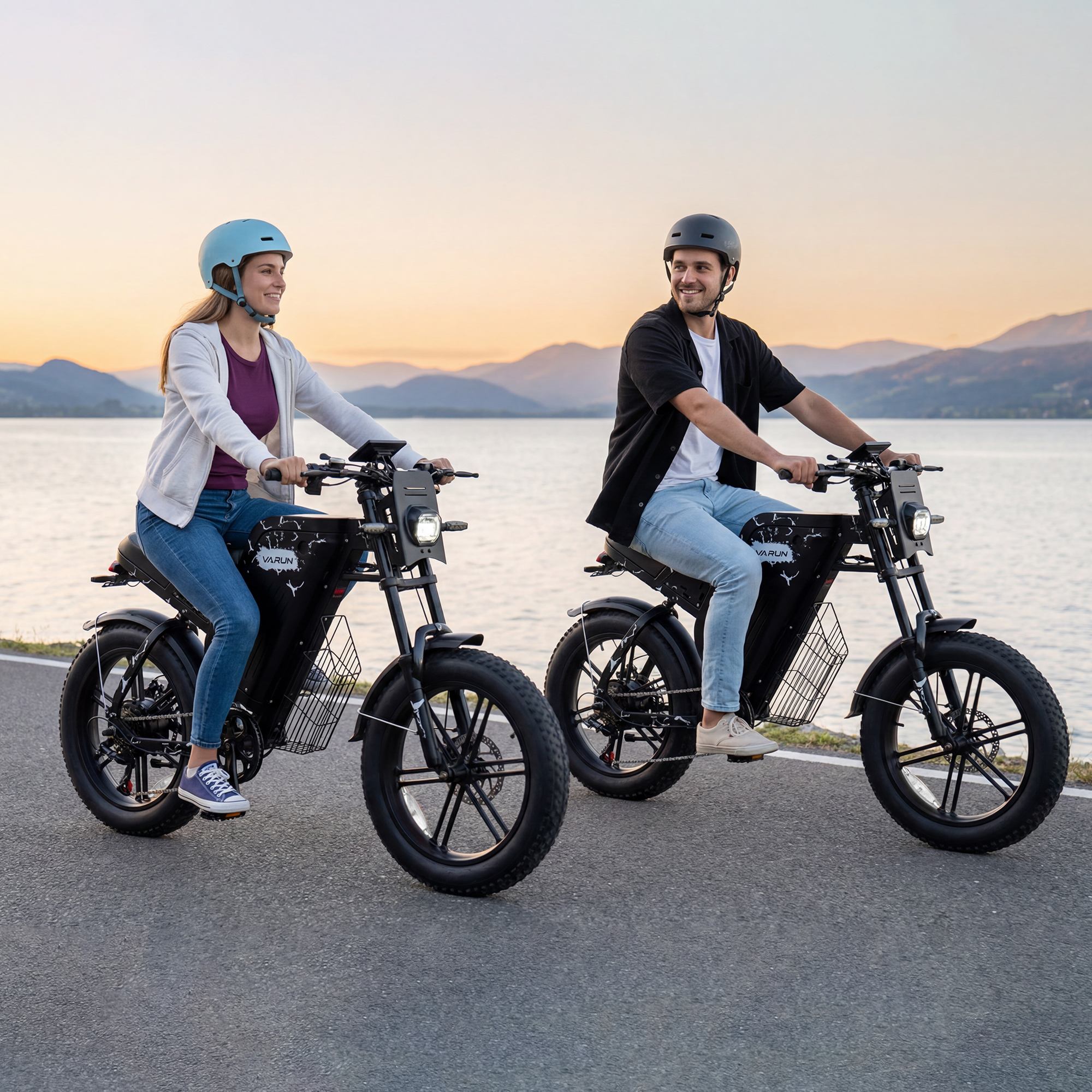
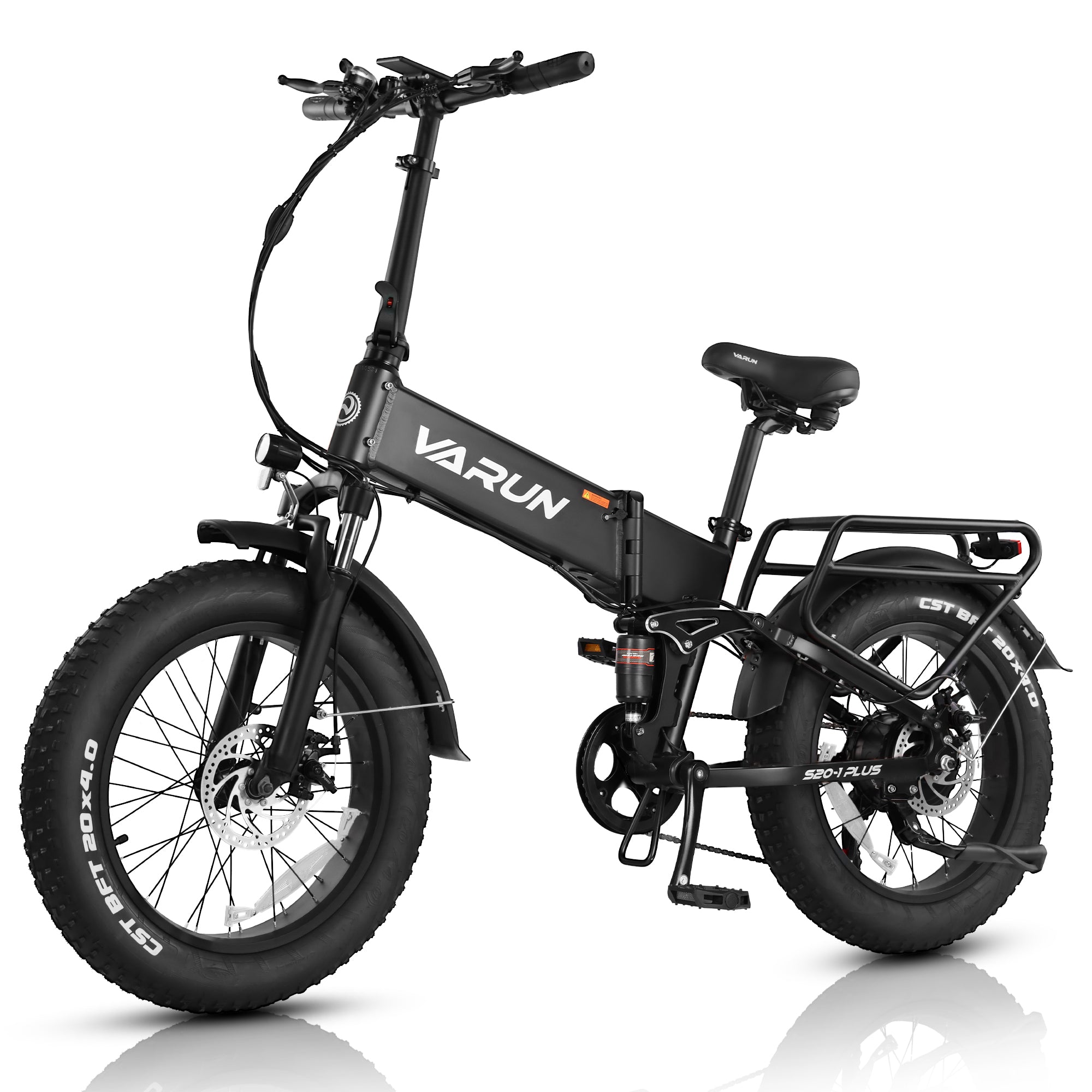
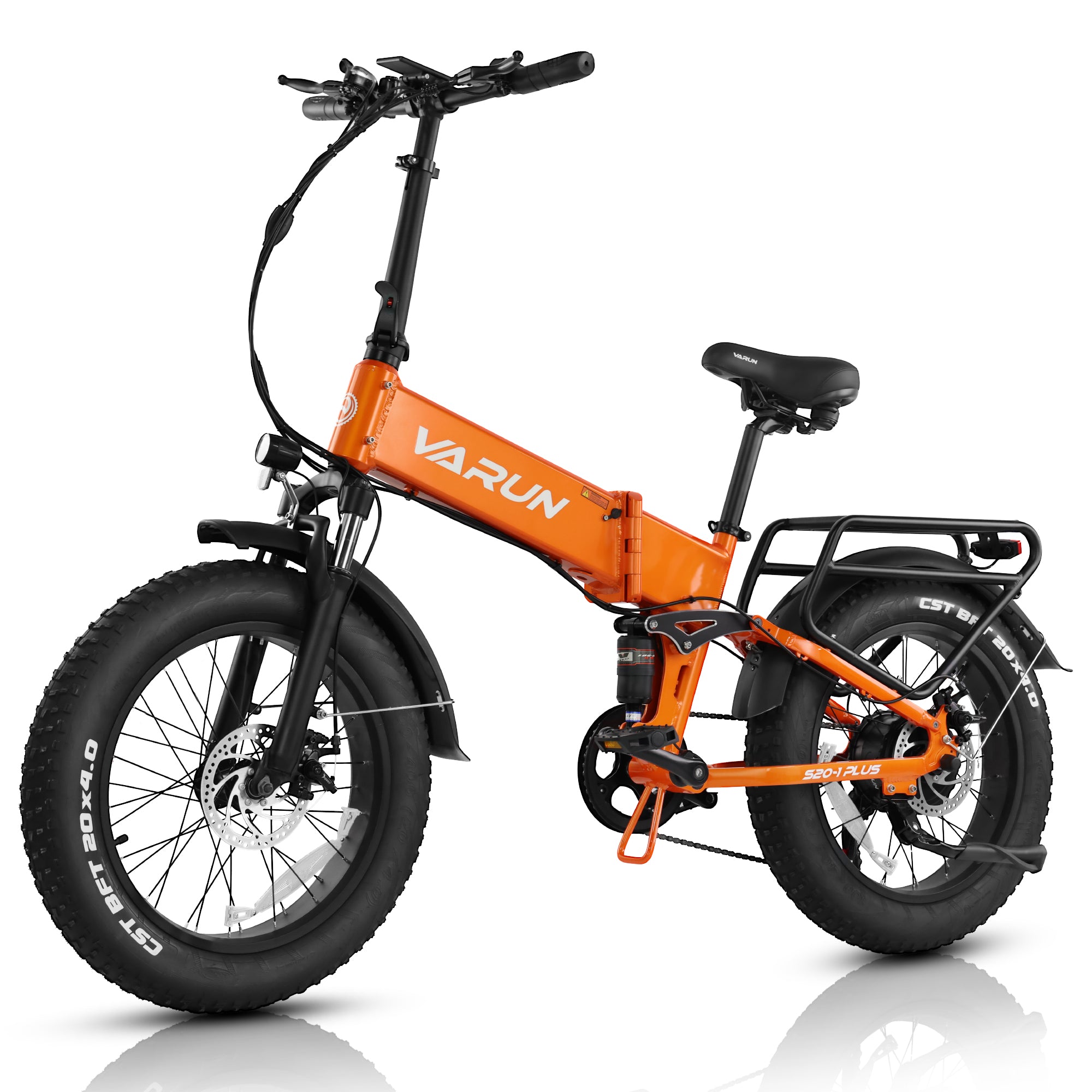
Don't let the powder stop your ride. Our electric bikes for snow are engineered to dominate the toughest winter conditions. Equipped with high-flotation fat tires and powerful motors, these bikes provide the grip and stability you need to navigate slush, ice, and deep drifts with total confidence.
Explore our fat tire winter ebikes designed for superior traction and cold-weather durability, ensuring your adventure continues all year round.
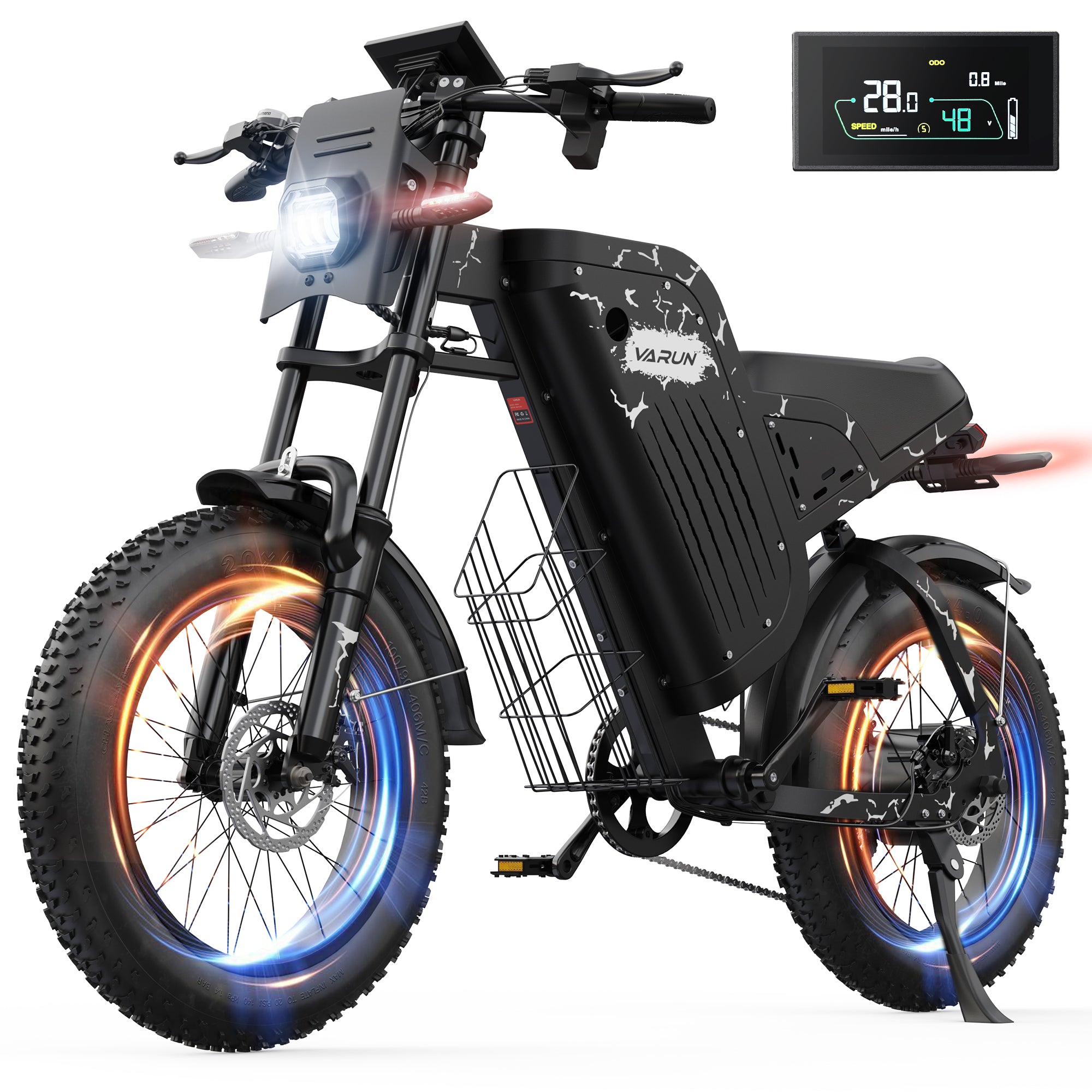
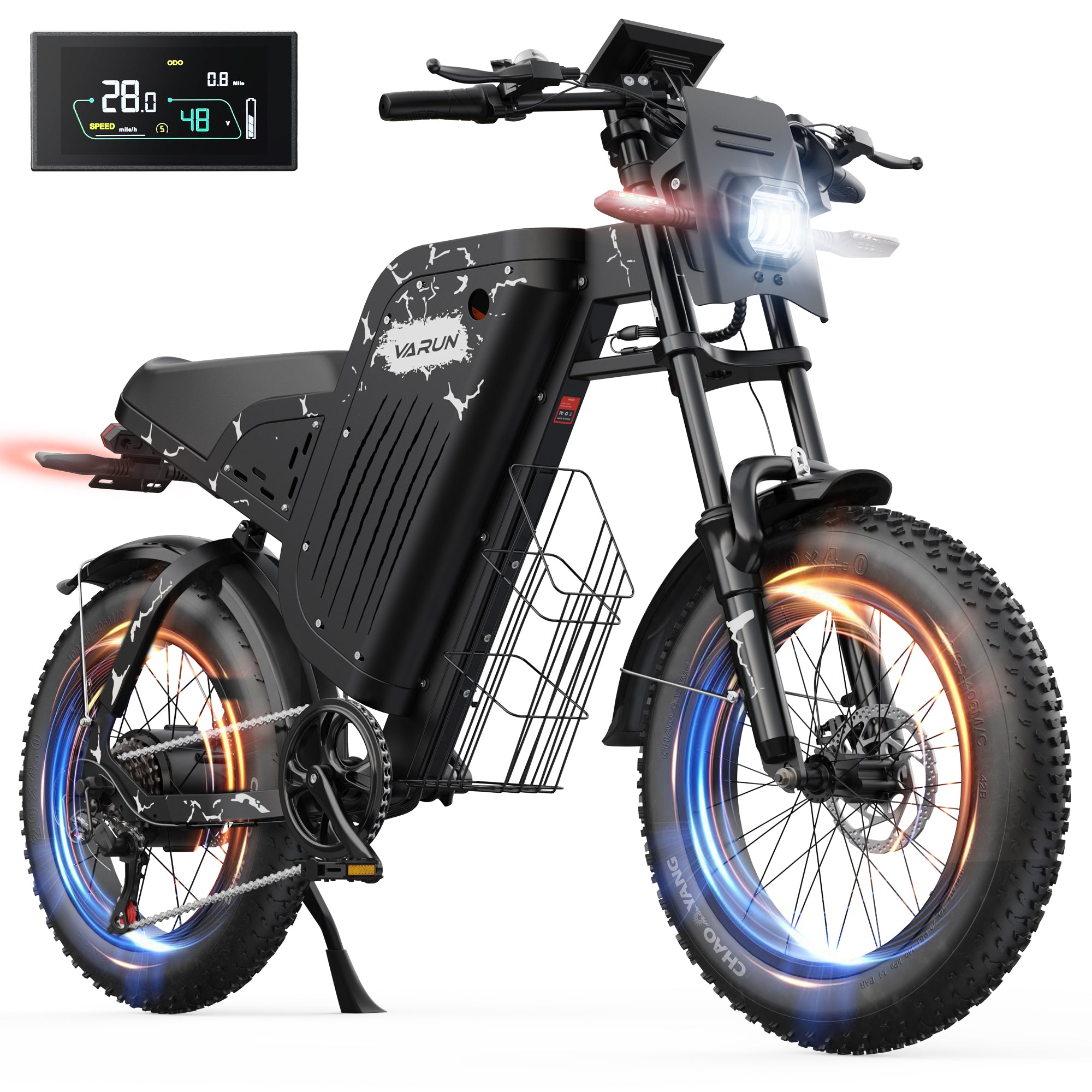
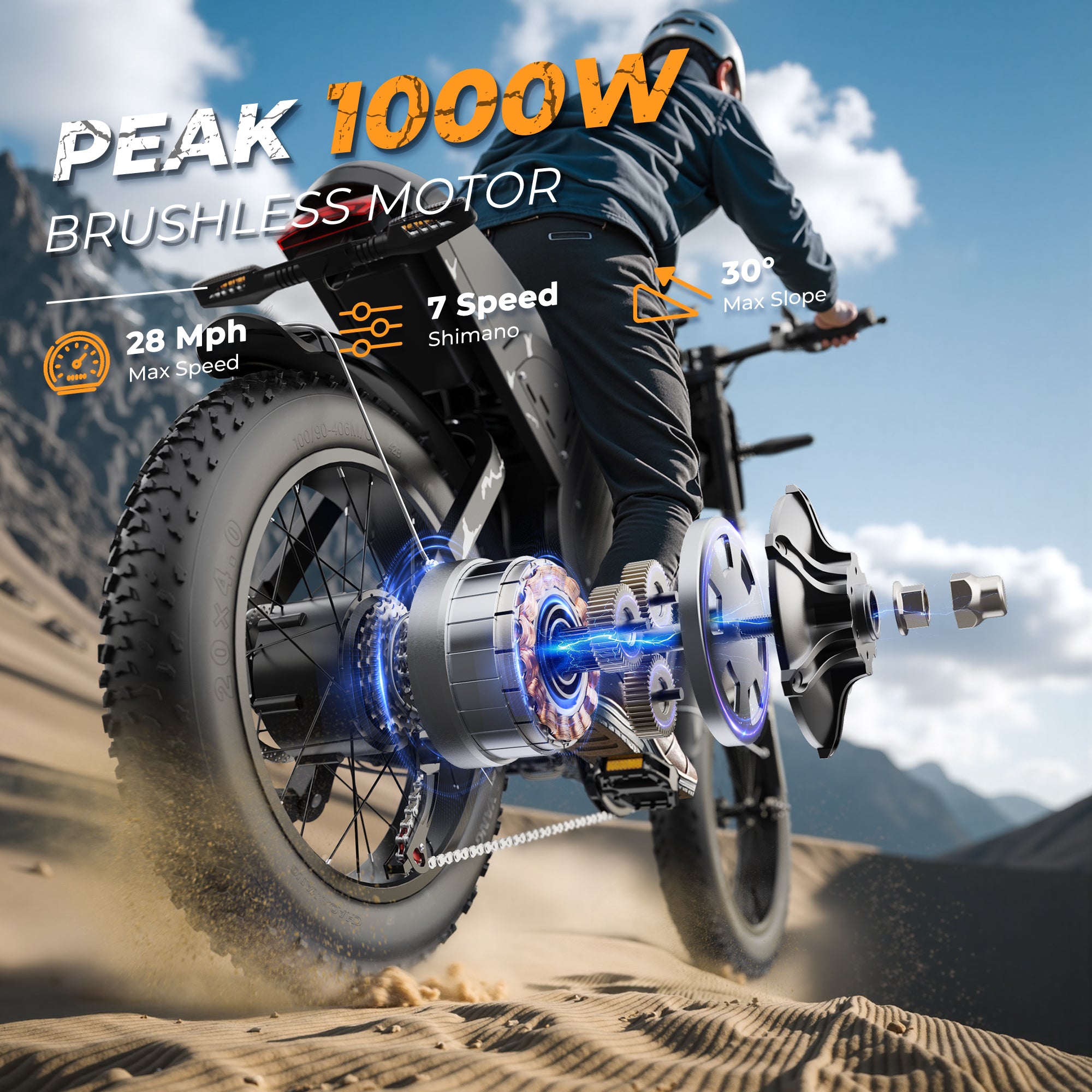
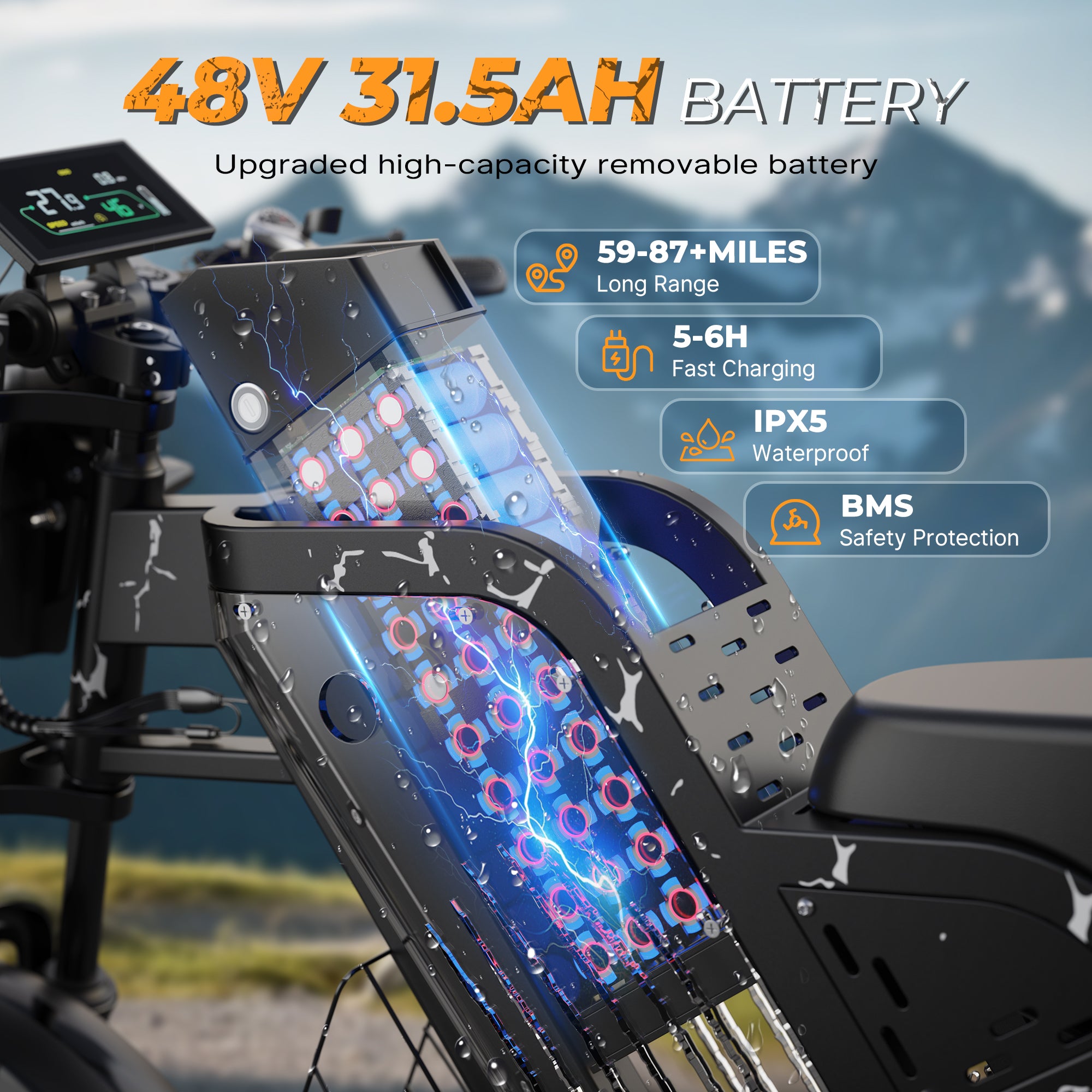

License Requirement
Riding Style

Safety Qualification

Peak Power

Max Range

Tires
License Requirement
Riding Style
Safety Qualification
Peak Power
Max Range

Battery
License Requirement
Riding Style
Safety Qualification
Peak Power
Tires
Battery


License Requirement
Riding Style
Safety Qualification
Peak Power
Tires
Battery
Why Fat Tires are Essential for Snow Riding
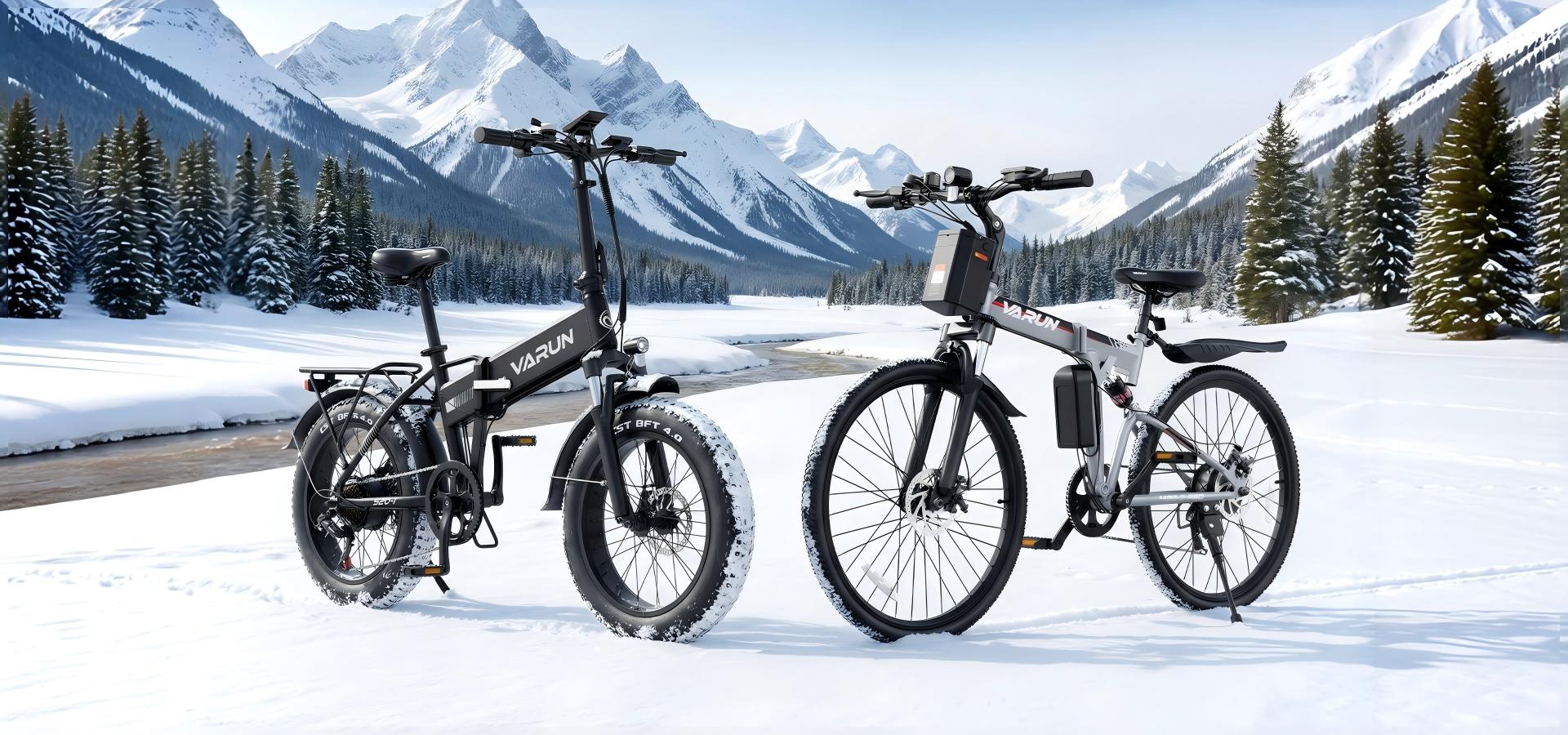
Riding in winter requires more than just power; it requires flotation. A snow electric bike must be able to stay on top of the surface rather than cutting through it. At Varun, we use 4-inch low-pressure fat tires that increase the contact area, preventing the bike from sinking and providing unmatched stability on icy paths.

Powerful Torque for Heavy Drifts
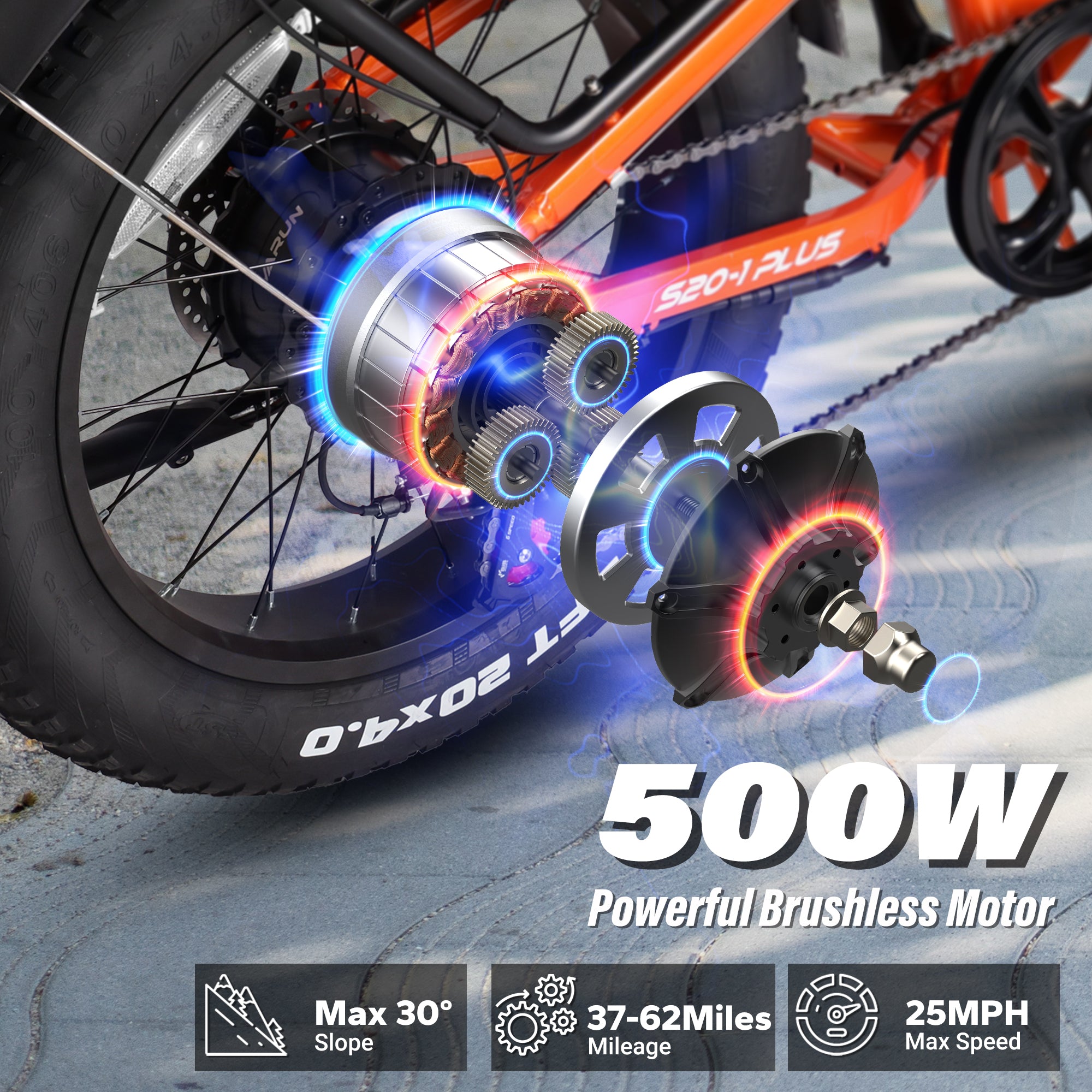
Snow creates significant rolling resistance. Our all-terrain snow ebikes are tuned with high-torque motors that provide the extra "push" needed to plow through slush. This ensures your winter motorized bicycle doesn't stall when the trail gets tough.
Safety First: Responsive Control
Icy roads demand precision. We equip our winter-ready ebikes with sensitive mechanical or hydraulic disc brakes and integrated LED lighting for short winter days. Safety and visibility are built into every performance snow bike we build.
Winter Performance: Engineered for the Cold
| Technical Spec | Varun Snow-Series | Standard Commuter Bikes |
|---|---|---|
| Tire Contact Patch | 4.0" Extra-Wide Fat Tires | 1.75" - 2.1" Narrow Tires |
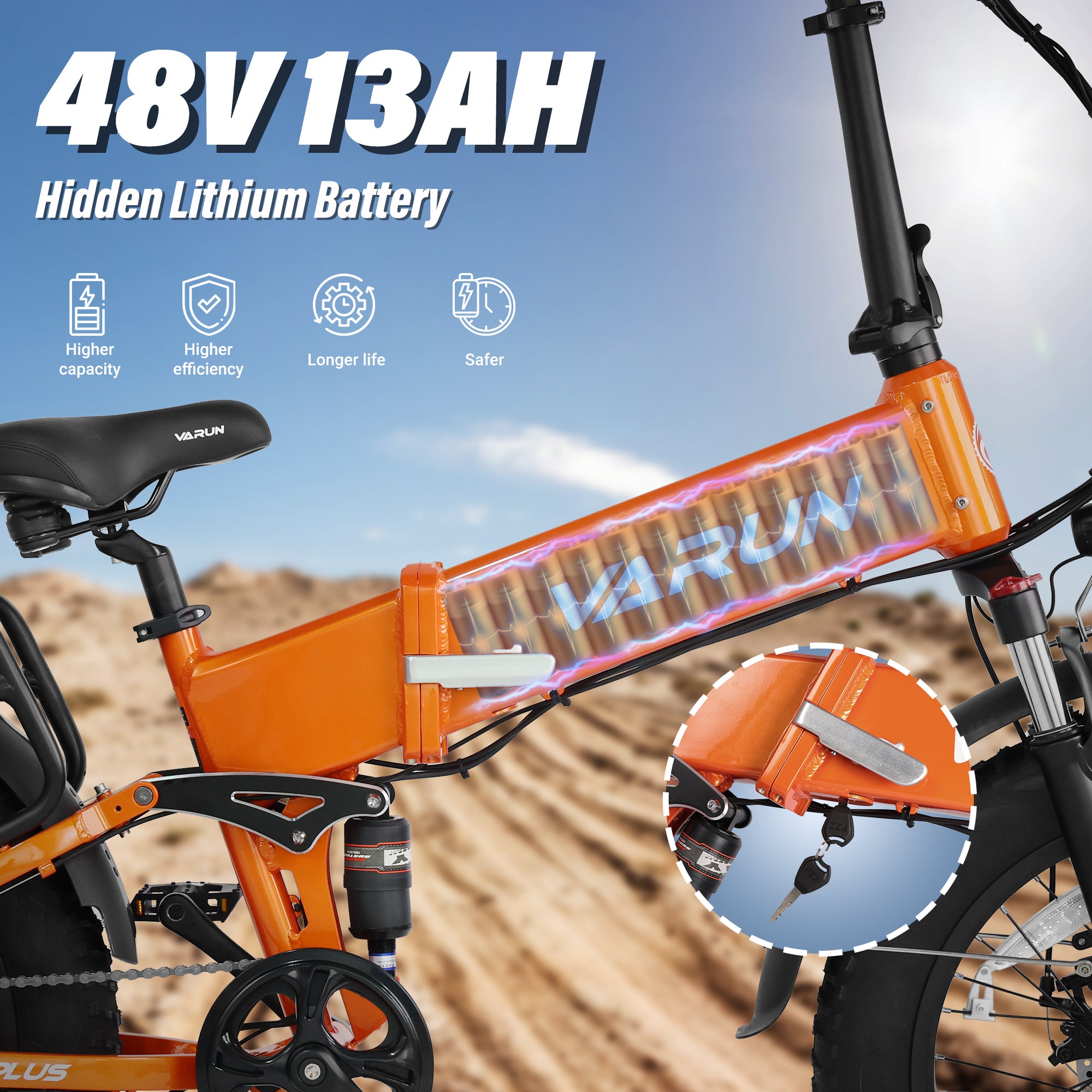
| Cold-Weather Battery | Insulated Lithium Cells | Standard External Packs |
| Frame Protection | Rust-Resistant Coating | Standard Paint Finish |
FAQs
Q1: Can electric bikes really be ridden in the snow?
Yes! With 4-inch fat tires and proper motor torque, ebikes are actually excellent for winter riding, providing more stability than traditional bikes.
Q2: Does the battery die faster in cold weather?
Cold temperatures can reduce lithium battery efficiency by 15-20%. We recommend storing your battery indoors when not in use to maintain optimal winter range.
Q3: How much tire pressure should I use for snow?
For maximum snow traction, we recommend lowering your PSI to between 5 and 15, depending on the softness of the powder.
Q4: Will salt on the roads damage my ebike?
Road salt can be corrosive. We use rust-resistant alloys, but we recommend wiping your bike down after salty rides to protect the finish.
Q5: Are fat tire ebikes hard to pedal in the snow?
The motor does the hard work. Our pedal assist system compensates for the extra resistance created by the snow.
Q6: Is it easy to slip on ice with an ebike?
Fat tires offer a massive contact patch which reduces slipping. For pure ice, many riders choose to add studded tires to their all-season ebike.
Q7: Do I need a special motor for winter?
You need torque. A 750W+ hub motor is ideal for maintaining momentum through thick slush and drifts.
Q8: Are the electronics waterproof?
Varun bikes are IP54+ water-resistant, meaning they handle snow and melting slush without issue.
Q9: Can I ride my snow ebike in the summer too?
Absolutely! Fat tire bikes are versatile all-terrain vehicles that excel on sand and gravel during warmer months.
Q10: What safety gear is recommended for winter riding?
Beyond a helmet, we recommend thermal gloves and high-visibility clothing due to the shorter daylight hours in winter.